
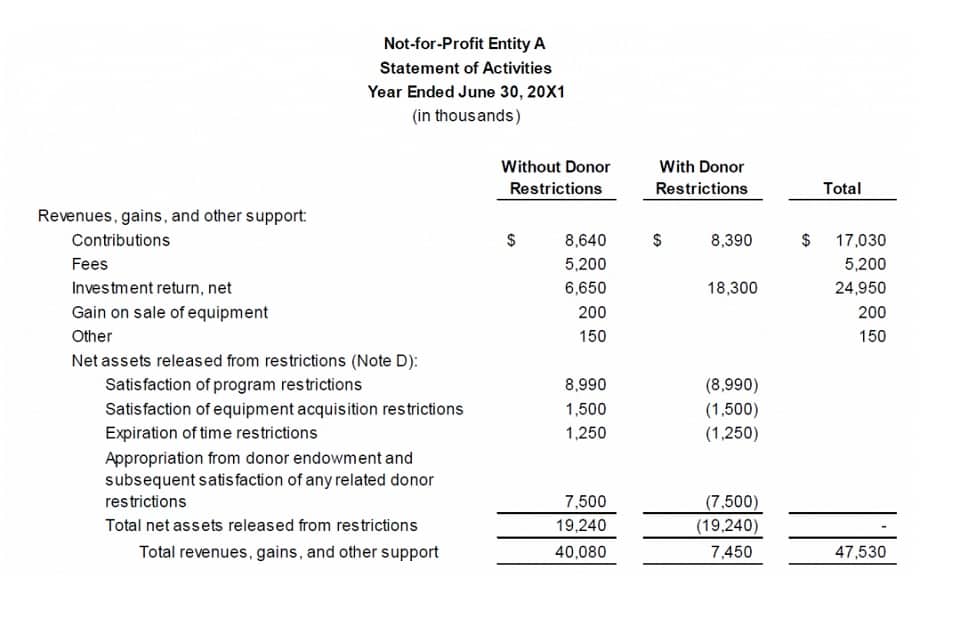
Both total liabilities and total assets are essential components in this calculation. A higher debt ratio might limit available resources for CSR initiatives, while a lower one may allow for more financing options. A debt ratio less than 1 (or 100%) indicates that your company has more assets than debt—generally a sign of financial stability. A ratio greater than 1 means you owe more than you own, which signals higher financial risk.
- On the other hand, a low debt ratio indicates that a company is financially stable and can meet its financial obligations.
- It measures the financial leverage of a company, showing the percentage of financing the company has acquired through debt and its ability to repay its debts even in unfavorable conditions.
- The most commonly used debt ratios are Debt-to-Asset Ratio, Debt-to-Equity Ratio, and Interest Coverage Ratio.
- A company’s debt-to-income ratio is also important, as it shows how much of its income goes towards debt payments.
- For instance, if you’re planning to take out a loan, such as an auto loan or a credit card debt, lenders consider your debt-to-income ratio (DTI ratio) before approving your application.
- The debt-to-equity ratio calculates if your debt is too much for your company.
Factors That Affect Debt Ratio
- Apex Clearing Corporation (“Apex Clearing”) provides clearing and execution services.
- Understanding the Debt-to-Equity ratio (D/E ratio) is a crucial element in the world of financial analysis and accounting.
- A capital-heavy business like a utility company might be perfectly healthy with a higher ratio, while a nimble tech startup might aim for less debt.
- Money center banks stand at the forefront of the financial industry, wielding significant influence…
- Company A has a debt ratio of 0.5, while Company B has a debt ratio of 1.5.
- When comparing debt ratios across different financial institutions, it is important to understand that each institution operates within unique risk profiles and regulatory environments.
- A low debt to asset ratio usually implies the company is being run conservatively and has capacity to take on more debt if required for growth.
With all factors being equal, it displays that Company A uses fewer creditors’ funds to finance its operations, characterizing it as a less risky and more sustainable venture. During an economic downturn, when the general business environment worsens and revenues shrink, a high debt ratio poses a significant risk. Businesses with a high debt ratio can struggle to service their debts, leading to potential insolvency. Borrowers may find https://sportnew2565.com/differences-between-construction-estimates-bids/ themselves unable to repay their loans, which can lead to a vicious cycle of higher borrowing costs and potential bankruptcy. Investors, too, are likely to view a high debt ratio with apprehension during these periods, as the risk of default becomes pronounced.
Practical Insights for Managing and Optimizing the Debt Ratio
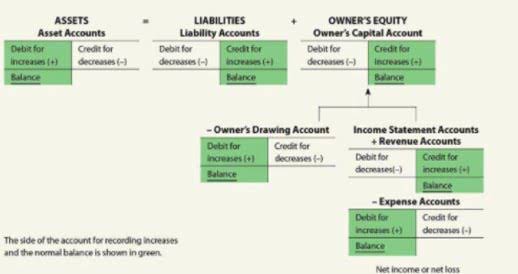
In the business world, debt is a common tool used to finance operations, growth, and expansion. However, managing debt effectively is crucial for the long-term success of any business. Debt ratio, also known as debt-to-equity ratio, is a financial metric that measures the amount of debt a company has in relation to its equity. This ratio is an income statement important indicator of a company’s financial health and its ability to pay back its debts. In this section, we will examine case studies of different companies to understand how debt ratio affects their financial performance.

Let Us Help You with Your Payments

Such companies may have higher available income as they don’t have to meet substantial debt obligations. A single snapshot of a business’s debt ratio might not provide a complete picture, so lenders often track these ratios over time. For example, a business with a steadily decreasing debt ratio is likely improving its financial health, which may make it a more attractive candidate for a loan or line of credit.
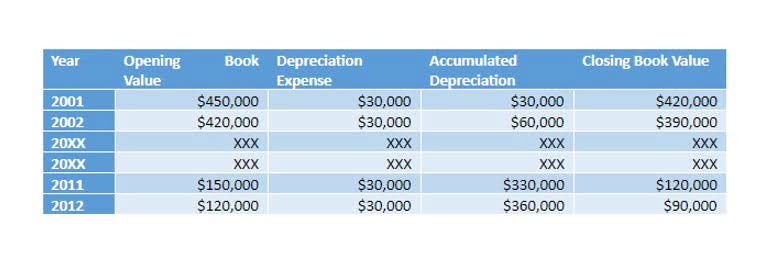
Many creditors are willing to work with you to create a payment plan a debt ratio of 0.5 indicates: that fits your budget. However, it’s essential to communicate with your creditors early on and be transparent about your financial situation. Businesses can use loans to finance equipment and machinery, such as office equipment or manufacturing machinery. The lender will check the company’s debt-to-asset ratio to see if it can afford regular debt payments. For example, a software company’s debt ratio might be lower than a utility company’s, but that doesn’t mean the software company is more financially stable overall.
- Essentially, it allows you to calculate what portion of a company’s assets has been financed by debt.
- Value of 1 or less in debt ratios shows good financial health of a company.
- It indicates how much debt a company is using to finance its assets relative to the value of shareholders’ equity.
- As such, it provides a more accurate picture of a company’s financial health.
- For example, you could consider consolidating your debts or negotiating with your creditors for lower interest rates.